Sep 11, 2026
Textile Wastewater Treatment: A Practical Process-Selection Framework
Select textile wastewater treatment using stream mapping, equalization, treatability testing, biological treatment and a defined discharge or reuse target.
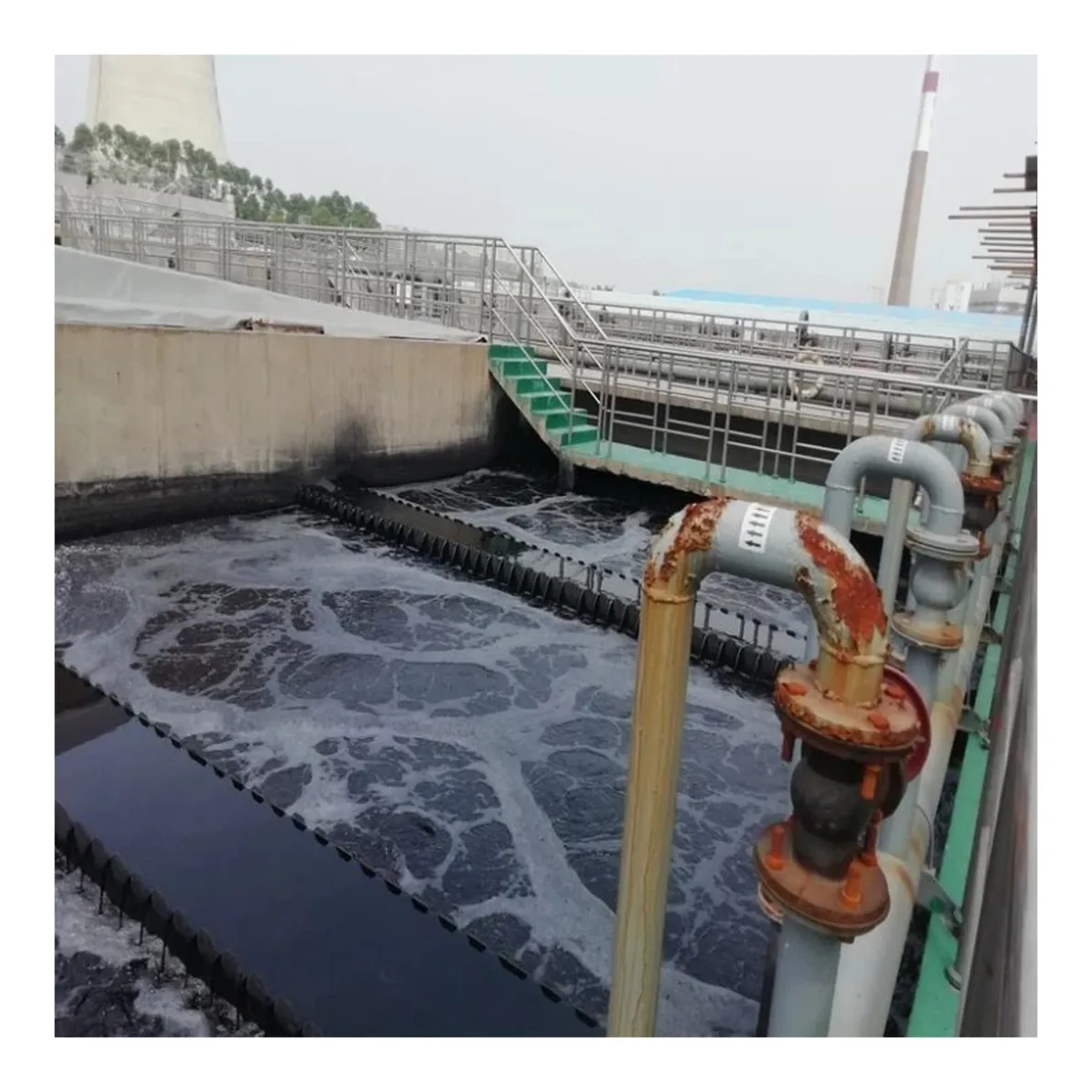
Textile wastewater is not one uniform stream. Desizing, scouring, bleaching, dyeing, printing, washing and finishing can create different combinations of color, organic load, salts, suspended solids, oil, metals and poorly biodegradable chemicals. A treatment train selected from flow rate and COD alone can therefore miss the pollutant that controls compliance or reuse.
The right starting point is wastewater mapping: identify where each stream comes from, how it changes through production, and which contaminants must be removed before discharge or reuse.
Quick answer: the five-step selection logic
Map and sample individual wastewater sources.
Segregate concentrated, incompatible or reusable streams where practical.
Stabilize flow, temperature, pH and pollutant load.
Combine physical-chemical and biological stages according to treatability.
Add tertiary treatment only for the required discharge or reuse target.
This is a framework, not a universal process recipe. The final system must follow representative wastewater data, local discharge requirements and project-specific testing.
1. Characterize the production processes
The U.S. EPA identifies textile wastewater sources across wool preparation, bleaching, dyeing, printing, resin treatment, coating, washing and other finishing operations. Spent dye baths and wash water may carry residual dyes and auxiliary chemicals, while desizing can contribute a substantial organic load.
Create a process-water map that records:
each wet process and its discharge point;
batch volume and discharge duration;
dyes, salts, surfactants, sizing agents, oxidants and reducing agents used;
cleaning chemicals and production-change events;
opportunities to reuse relatively clean rinse streams;
concentrated streams that should not be diluted into the main flow.
Composite samples are useful for average loading, but grab samples are often needed to capture short peaks and incompatible discharges.
2. Define the treatment objective
Discharge compliance, sewer acceptance and process-water reuse are different objectives. Define the applicable limits and sampling basis before choosing equipment.
Depending on the facility and jurisdiction, the review may include pH, BOD, COD, total suspended solids, oil and grease, sulfide, phenols, chromium, color, salinity, temperature and emerging contaminants. EPA’s textile-mill guidance lists BOD5, COD, TSS, oil and grease, sulfide, phenols, total chromium and pH among regulated pollutant groups in the U.S. framework. Local regulations in Indonesia, Pakistan, Malaysia or another project country remain the controlling requirement for that site.
For reuse, also define hardness, alkalinity, silica, conductivity/TDS, microbes and any quality parameter that affects the receiving textile process.
3. Segregate and reduce pollution at source
Source control can reduce the load that downstream treatment must handle. The IFC textile guidance discusses process-specific pollution-prevention measures; their suitability must be assessed against the actual production and wastewater conditions.
Practical opportunities can include:
counter-current rinsing and controlled wash-water use;
recovery or separate treatment of concentrated dye and salt streams;
segregation of high-strength desizing wastewater;
prevention of chemical over-dosing and spills;
reuse of suitable final-rinse water;
separate handling of oil-bearing or metal-bearing streams.
Do not combine streams solely to reduce measured concentration. Dilution does not reduce total pollutant mass and can make recovery more difficult.
4. Equalize flow and chemistry
Textile plants often discharge in batches. Equalization reduces rapid changes in flow, pH, temperature, color and COD before downstream treatment. The tank requires appropriate mixing, level control and, where necessary, aeration or odor management.
Equalization alone does not demonstrate adequate pollutant removal. Its main role here is to create a more stable feed for downstream treatment; removal performance must still be demonstrated for the complete train.
5. Select physical-chemical pretreatment
Screens and grit removal protect pumps and downstream equipment. Coagulation, flocculation, sedimentation or dissolved air flotation (DAF) may remove suspended solids, fibers, oil, colloids and some color or COD, depending on wastewater chemistry.
Selection should follow jar testing or equivalent treatability work. Chemical type, dose, pH and sludge production are linked; optimizing only supernatant clarity can create excessive sludge or unstable downstream biology.
Oxidation or adsorption may be considered for specific refractory organics or color, but the chosen process must be tested against the actual dye and auxiliary-chemical mix.
6. Evaluate biological treatability
Biological treatment is commonly used for biodegradable organic load. The design should consider BOD/COD relationship, toxicity, nutrient balance, temperature, salinity, shock loads and sludge characteristics.
High-strength biodegradable streams may justify anaerobic treatment before aerobic polishing. Aerobic options may include conventional activated sludge, sequencing batch reactors, biofilm systems or membrane bioreactors. The correct configuration depends on flow, land, effluent target, operator capability and downstream reuse needs.
Color and refractory COD may remain after biological treatment. That is why biological performance must be assessed separately from the final discharge or reuse objective.
7. Add tertiary treatment for the defined target
Tertiary treatment may include filtration, activated carbon, oxidation, ultrafiltration, nanofiltration or reverse osmosis. It should be selected for a measurable gap between secondary-effluent quality and the required final quality.
Membrane reuse systems need protection from particles, organics, biological fouling and mineral scale. Salts removed by NF or RO move into a concentrate stream; the project must define how that concentrate will be managed. A “zero liquid discharge” label does not eliminate the need for a complete salt and residuals balance.
8. Include sludge and residuals from the start
Coagulation, DAF and biological treatment all create sludge. The design must include thickening, dewatering, storage and lawful disposal or recovery. Chemical selection and upstream segregation can materially change sludge quantity and characteristics.
Other residuals may include spent carbon, membrane-cleaning waste, RO concentrate and recovered high-strength streams. A treatment train is incomplete until these flows have a safe destination.
Minimum data for a textile wastewater proposal
production processes, fabric types and chemicals used;
operating schedule and batch-discharge pattern;
average and peak flow;
temperature and pH range;
BOD5, COD, TSS, color and conductivity/TDS;
oil and grease, sulfide, phenols and relevant metals;
nitrogen and phosphorus for biological-treatment review;
toxicity or inhibition observations;
required discharge or reuse quality;
site space, utilities, operator coverage and sludge-disposal route.
Representative sampling and laboratory or pilot treatability testing are especially important when product recipes or dye classes change frequently.
What a useful supplier proposal should show
Ask for a process-flow diagram that identifies the purpose of each stage, the water and residuals flows, the control points and the assumptions that still need testing. Separate measured wastewater data from design allowances and supplier guarantees.
For a textile mill in Indonesia, Pakistan, Malaysia or another export market, include the actual discharge destination and site-specific permit requirements with the RFQ. Country names alone are not enough to select a compliant process. The same principle applies to reuse: define which rinse, wash or utility operation will receive the reclaimed water.
Check the residuals balance: a proposal should not describe only clean-water production while leaving chemical sludge, biological sludge and membrane concentrate without a defined management route.
How WaterEPC approaches preliminary process selection
WaterEPC can review the available wastewater analysis, production schedule, capacity and target water quality to discuss a preliminary process route. Final specifications are confirmed from actual project data and site conditions.
Send available wastewater results and project requirements to inquiry@waterepc.com. WhatsApp: 008613112246878.
Frequently asked questions
Can one treatment process remove textile color, COD and salinity?
Usually not by itself. These pollutant groups behave differently, so treatment commonly combines source control, physical-chemical treatment, biological treatment and target-specific polishing.
Why is equalization important in dyeing wastewater?
Batch production can create rapid changes in flow, pH, temperature and pollutant load. Equalization makes downstream dosing and biological operation more stable.
Is biological treatment enough for water reuse?
It may reduce biodegradable organic load, but reuse often requires additional suspended-solids, color, salinity, microbial or trace-contaminant control. The answer depends on the receiving process specification.
When should DAF be considered?
DAF can be useful when wastewater contains floatable solids, fibers, oil, flocculated particles or other contaminants that separate effectively by flotation. Treatability testing should confirm performance and chemical demand.
Does RO solve textile wastewater disposal?
RO can produce a lower-salinity permeate for suitable reuse applications, but it also produces concentrate. Concentrate management must be included in the project mass balance and compliance plan.
Technical references
Related equipment and next steps
Review the Textile Wastewater Treatment System, Dissolved Air Flotation (DAF) System and Industrial Wastewater Secondary Treatment System as starting points for a process discussion—not interchangeable answers to every textile effluent.
Request a preliminary process review: send your production processes, representative wastewater analysis, flow profile and discharge or reuse target to inquiry@waterepc.com.